This article covers earning a real Ijazah in depth. For the full picture, see our Complete Guide to Quran Memorization (Hifz).
If you’ve spent any time researching Quran memorization programs, you’ve likely come across the term “Ijazah” — often described as a “certificate,” which undersells what it actually represents. Here’s what an Ijazah really is, and why it matters more than a typical completion certificate.
Ijazah: More Than a Certificate
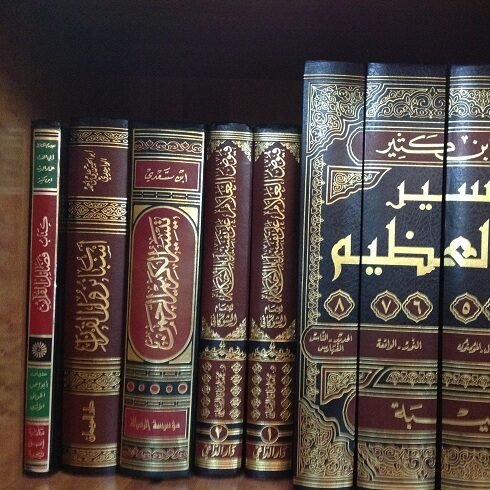
An Ijazah (إجازة) is a formal authorization confirming that a student has correctly memorized and can accurately recite a portion — or all — of the Quran, granted by a qualified teacher who is themselves authorized to grant it. It’s not a test score or a completion badge; it’s a scholarly credential rooted in a centuries-old system of verified transmission.
What Makes It Different: The Sanad
The core of an Ijazah is its Sanad (سند) — a documented, unbroken chain of teachers, each having received their own Ijazah from their own teacher, tracing all the way back to the Prophet Muhammad ﷺ. This chain is what verifies that the recitation being certified matches exactly how the Quran was transmitted, generation after generation, rather than any modern reinterpretation.
How You Actually Earn One
Earning an Ijazah isn’t a matter of simply finishing memorization once. It typically requires:
- Correct memorization of the intended portion, verified verse by verse.
- Correct Tajweed throughout — pronunciation mistakes prevent certification even if the words themselves are memorized correctly.
- Direct oral examination by the certifying teacher, who listens to the full recitation rather than relying on a written test.
- The teacher’s own valid Sanad — only someone who holds a real chain of transmission themselves can extend that chain to a new student.
Full Ijazah vs. Partial Ijazah
Not every Ijazah covers the entire Quran. Many students first earn a partial Ijazah — for a Juz’, a specific set of surahs, or a particular recitation style (Qira’ah) — before working toward a full Ijazah covering the complete Quran. Both are genuine, valid credentials within the same certification system, just different in scope.
Why It Matters Even If You’re Not Planning to Teach
Many students assume an Ijazah is only relevant if you intend to become a teacher yourself. In practice, it also serves as strong, objective confirmation that your own memorization and recitation are genuinely correct — independently verified by a qualified scholar, not just self-assessed.
Working Toward Your Own Ijazah
Earning a real Ijazah requires a teacher who holds an authentic Sanad and is genuinely authorized to certify students — not every online “memorization certificate” meets this standard. Ummah Academy’s Hifz & Ijazah program is built around this traditional certification process, with Al-Azhar certified teachers holding real, verifiable chains of transmission. Two free trial sessions are a good starting point if you’d like to understand what the path to your own Ijazah would actually look like.