For most people learning a new language, the goal is ordering food or making small talk. For a Muslim learning Arabic, the goal is different: reading the words of the Quran directly, understanding a khutbah without a translator, or finally following what a scholar actually said instead of someone’s summary of it. That difference changes everything about how the language should be taught, and how it should be learned. This guide walks through the real path, not a generic “learn a language” checklist.
Why Learn Arabic as a Muslim, Specifically
Quranic Arabic and everyday conversational Arabic overlap, but they aren’t the same target. A course built for tourists or business travelers will teach you to order coffee long before it teaches you to recognize the grammar patterns that carry meaning in the Quran. A course built for Muslims starts from the other direction: reading and understanding scripture and classical texts first, with practical conversation built on top of that foundation, not instead of it.
Where to Start: Reading Before Speaking
The single biggest mistake beginners make is trying to speak before they can read. Arabic letters change shape depending on their position in a word, and several letters sound similar to an untrained ear, so skipping straight to conversation usually means building bad habits that are hard to unlearn later. The traditional starting point, and still the most effective one, is a structured reading method like Noor Al-Bayan: letter recognition, then combining letters into words, then reading connected text aloud with a teacher correcting pronunciation in real time.
Classical Grammar: Nahw and Sarf
Once reading is solid, grammar is what turns “sounding out words” into real understanding. Arabic grammar splits into two classical disciplines: Nahw (syntax — how words relate to each other in a sentence) and Sarf (morphology — how a single root word changes form to shift meaning). These aren’t abstract exercises; they’re exactly what lets you notice, for example, why a particular verb form in a specific ayah carries emphasis that a translation can’t fully capture. Classical texts like Al-Ajrumiyyah are still used for this stage because they were built specifically to teach Quranic Arabic grammar, not general-purpose Arabic.
For a deeper walkthrough of Nahw and Sarf with worked examples, see Arabic Grammar for Quran: Nahw and Sarf Explained for Beginners.
From Reading to Understanding: Tafsir and Beyond
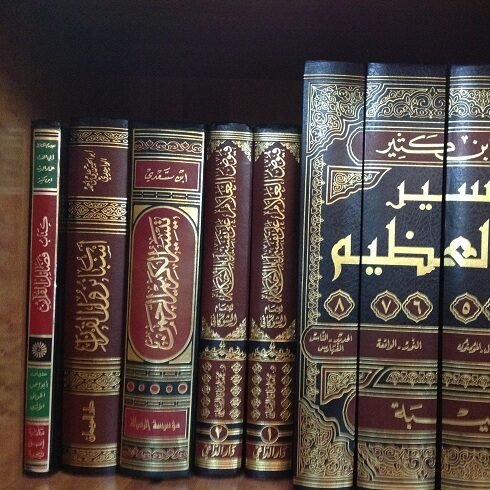
Once grammar and vocabulary reach a working level, something changes: you stop needing someone else’s summary of what a verse means. You can open a Tafsir yourself, follow the scholar’s own reasoning in Arabic, and start forming your own understanding grounded in the text rather than a translation of a translation. This is the real, long-term payoff of learning Arabic as a Muslim, and it’s worth keeping in view even in the early, slower stages of letter recognition and grammar drills.
Common Mistakes Beginners Make
- Starting with conversational apps that teach Modern Standard or dialect Arabic with no connection to Quranic vocabulary or grammar.
- Skipping Tajweed-adjacent pronunciation basics even though many Arabic letters need the same precise articulation points used in Quran recitation.
- Memorizing vocabulary lists in isolation instead of encountering words inside real sentences, which is how they’re actually retained.
- Studying alone with no live correction — Arabic pronunciation and grammar mistakes are very hard to self-diagnose, especially early on.
How Long Does It Realistically Take
Reading fluency (sounding out any Arabic text correctly, even without full comprehension) is realistic within the first few months for a consistent student. Genuine comprehension of Quranic Arabic, being able to follow a verse’s meaning directly from the Arabic, typically takes sustained study over a year or more, depending on prior exposure and study frequency. That’s a longer runway than a phrasebook app promises, but it’s also a fundamentally different, deeper skill than an app is built to teach.
For a full month-by-month and year-by-year breakdown, see How Long Does It Take to Learn Quranic Arabic? A Realistic Timeline.
Getting Started
Ummah Academy’s Arabic Language track follows exactly this path: starting with Noor Al-Bayan reading foundations, moving into classical Nahw and Sarf grammar, and building toward real conversation and independent reading, all taught 1-on-1 by Al-Azhar certified tutors who are fluent in both Arabic and English. Start with 2 free trial sessions to see where you’d begin, or reach out through our contact page with any questions about pacing.