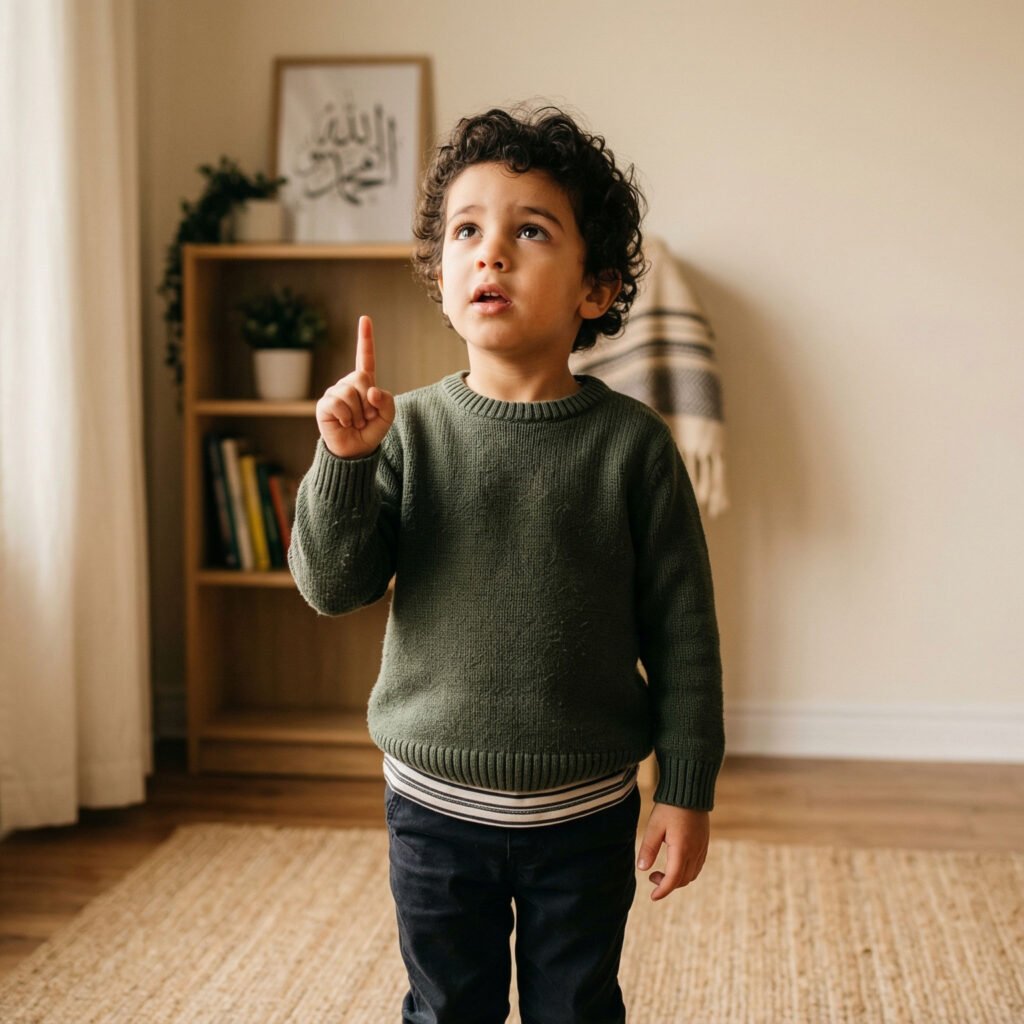
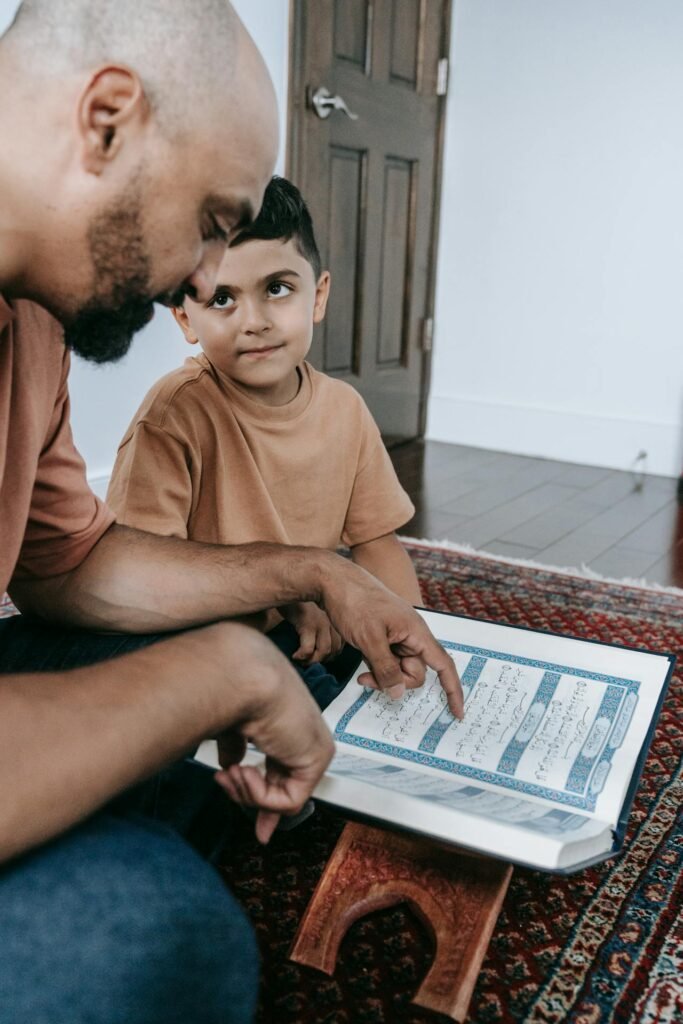
If you’re considering online Quran classes for your child, you probably have more questions than a course landing page can answer — when to start, what a real session looks like, how much a young child can actually absorb, and how to know if it’s working. This guide walks through all of it, based on how Quran learning for children actually works, not marketing promises. Why Quran Learning Matters for Children Early exposure to the Quran does two things at once: it builds a lifelong relationship with the text itself, and it builds Arabic literacy while a child’s brain is naturally most receptive to language acquisition. Children who start young typically find Tajweed and memorization noticeably easier as teenagers and adults, since the foundational sounds and letter recognition are already automatic rather than something to relearn later. When Should a Child Start Learning Quran? There isn’t one universal age — readiness depends more on attention span and letter-recognition ability than birthdate alone. Most programs, including Ummah Cubs, welcome children from age 5, with content and session length adjusted upward through the early teens. For a full breakdown of the actual readiness signs to look for, see How Old Should a Child Be to Start Learning Quran? What Should Children Learn First? The order matters more than the pace. A typical progression looks like this: Quran Reading Letter recognition and connecting letters into words comes first, usually through a structured method like Noor Al-Bayan, before any real Tajweed or memorization begins. Tajweed Once reading is fluent, basic Tajweed (correct pronunciation and articulation points) is introduced — the same rules taught to adults, just paced and explained more simply. Memorization Short surahs typically come first, building toward longer portions as reading and Tajweed solidify. This is often where parents want more specific guidance — see Quran Memorization for Kids: A Practical Guide for Parents for a deeper look. Islamic Studies Alongside Quran skills, age-appropriate Islamic studies — Prophet stories, basic manners (Adab), and simple Aqeedah — round out a genuinely rounded Islamic education rather than Quran reading in isolation. How Online Quran Classes for Kids Work A real session is live and interactive, not a pre-recorded video — a teacher watches the child read or recite in real time and corrects immediately, the same way in-person Quran teaching always has. What changes online is convenience: no commute, flexible scheduling, and (in programs like Ummah Cubs) parent visibility through session recordings and progress notes. One-to-One vs Group Classes Group classes can work for older children with strong attention spans, but for younger kids specifically, 1-on-1 sessions matter more than with adult students — a child who’s shy, easily distracted, or still building confidence needs a teacher’s full attention to actually participate rather than passively sit in on a group call. How to Choose a Quran Teacher for Your Child Teaching children is a genuinely different skill from teaching adults — patience, the ability to keep a 6-year-old engaged for 30 minutes, and comfort switching between Arabic and English mid-sentence all matter as much as the teacher’s own qualifications. For the full breakdown of what to actually check before enrolling, see How to Choose the Right Quran Teacher for Your Child. How Parents Can Support Learning at Home Consistency between sessions matters more than any single class. A few minutes of daily review — rereading the last lesson’s letters or listening to a memorized verse — reinforces what the teacher just covered far more than a single weekly session alone ever could. How Long Does Quran Learning Take? Letter recognition and basic reading are realistic within the first few months for a consistent young student. Memorizing full short surahs typically follows over the next several months, with the pace depending heavily on session frequency and how much home review happens between classes — there’s no fixed timeline that applies to every child equally. How to Keep Children Motivated Motivation for young learners rarely survives on the subject’s importance alone — it needs to feel rewarding in the moment. Games, visible progress markers, and a teacher a child actually likes talking to all matter more day-to-day than long-term religious reasoning a 7-year-old isn’t yet equipped to weigh. For practical, specific strategies, see How to Keep Children Motivated While Learning Quran. What Makes Ummah Cubs Different Ummah Cubs, Ummah Academy’s dedicated kids program, is built around exactly these realities: 30-minute sessions matched to a child’s natural focus span, teachers certified specifically in Early Islamic Education (not adult-track teachers simply assigned to a younger student), games and stories instead of a lecture format, and a Family Portal giving parents session recordings and monthly progress updates without needing to sit in on every class. Frequently Asked Questions For specific questions about enrollment, pricing, and scheduling, see the full Ummah Cubs FAQ — it covers age ranges, cost, female teacher requests, and what happens if a session is missed. Next Step If you’re not sure where your child would start, the free Kids Placement Test gives a quick skill snapshot in a few minutes, or you can go straight to Ummah Cubs to book 2 free trial sessions.