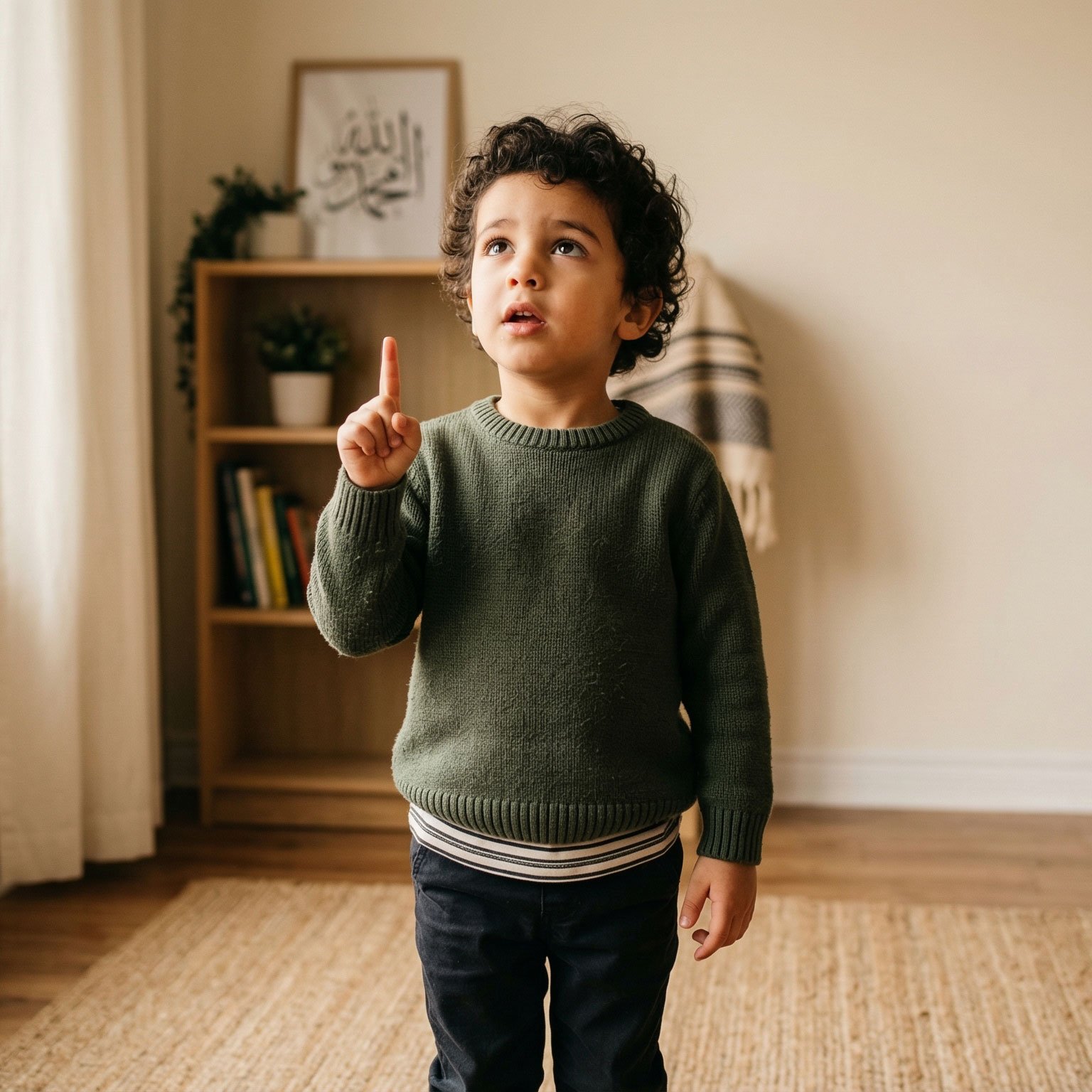
«في أي عمر يجب أن أبدأ؟» هو عادة أول سؤال يطرحه الأهل قبل تسجيل طفلهم في دروس القرآن — والإجابة الصادقة هي أن تاريخ الميلاد أقل أهمية من مجموعة من علامات الاستعداد العملية.
لا يوجد عمر «مثالي» واحد
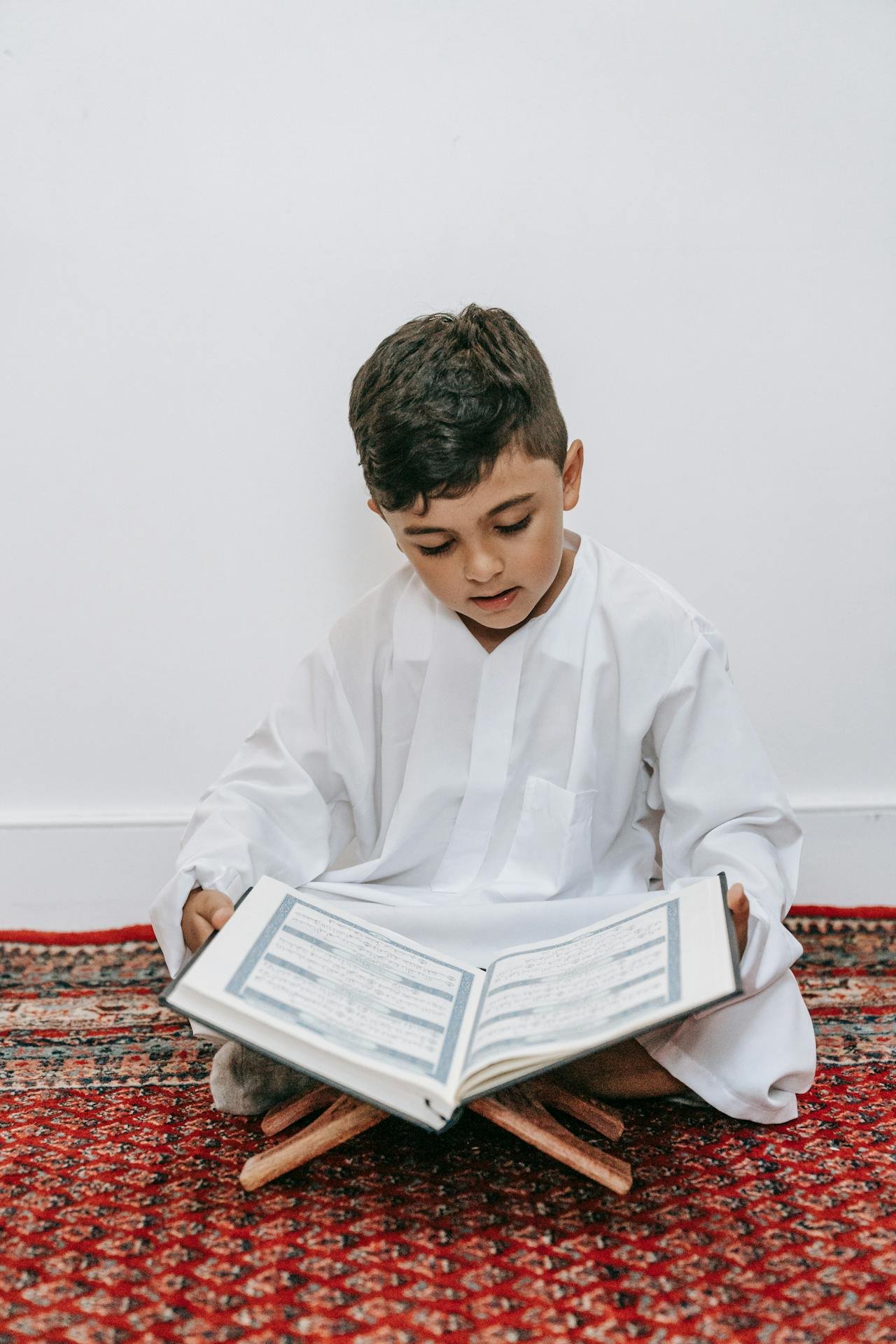
البرامج المصممة للأطفال، بما فيها أشبال الأمة، ترحّب عادة بالأطفال من سن 5 سنوات وحتى بداية سن المراهقة، مع تعديل المحتوى ومدة الجلسة في كل مرحلة. ويعود هذا النطاق الواسع إلى أن الاستعداد الحقيقي يتعلق بمدى الانتباه والقدرة على التعرّف على الحروف، لا بتاريخ ميلاد محدد.
علامات استعداد الطفل للبدء
- يستطيع الجلوس خلال نشاط قصير ومركّز — لمدة تتراوح بين 15 و20 دقيقة تقريبًا من لعبة أو قصة دون أن يفقد اهتمامه بالكامل.
- يميّز الأشكال والأنماط — حتى بلغته الأم، لأن هذا ينتقل مباشرة إلى التعرّف على الحروف العربية.
- يُظهر فضولاً عند ذكر القرآن أو القصص الإسلامية — فالاهتمام الحقيقي، ولو للحظة، مؤشر أفضل من العمر وحده.
كيف يبدو البدء في سن 5-7 سنوات
في هذه المرحلة، تكون الجلسات قصيرة وقائمة بشكل كبير على اللعب — والهدف هو بناء الارتياح والارتباط الإيجابي بالحروف العربية والقصص الإسلامية البسيطة، وليس القراءة الرسمية بعد. الطفل ذو الخمس سنوات ليس متأخرًا؛ فهذه هي بالضبط نقطة البداية المقصودة.
كيف يبدو البدء في سن 8-10 سنوات
الأطفال في هذه الفئة العمرية يتقدّمون عادة بشكل أسرع من قراءة الحروف إلى الكلمات، ويستطيعون الحفاظ على تركيزهم طوال جلسة كاملة مدتها 30 دقيقة، ما يجعل المناهج المنظّمة مثل نور البيان والحفظ المبكر أهدافًا واقعية خلال الأشهر الأولى (راجع حفظ القرآن للأطفال لمعرفة كيف تسير هذه المرحلة فعليًا).
الأطفال الأكبر سنًا (11-14): البدء المتأخر ليس عيبًا
الطفل الذي يبدأ في سن 12 دون أي تعرّض سابق للقرآن لا ينطلق من موقع أسوأ من طفل عمره 6 سنوات بدأ قبل سنوات — فالأطفال الأكبر سنًا يتعلمون عادة مهارات القراءة الآلية بشكل أسرع، وذلك تحديدًا لأن قدراتهم العامة في القراءة والتركيز أكثر نضجًا. وما يحتاجونه هو محتوى لا يبدو موجّهًا لأطفال أصغر سنًا، ولهذا تُعد البرامج المصنّفة حسب العمر مهمة.
ماذا لو لم يكن طفلي مستعدًا بعد؟
إذا لم يستطع الطفل بعد الجلوس حتى خلال نشاط قصير، أو أظهر ممانعة حقيقية بدلاً من خجل اليوم الأول المعتاد، فإن الانتظار بضعة أشهر ثم المحاولة مجددًا أمر منطقي تمامًا — فالتجربة الأولى السيئة أصعب في تلافيها من تأخير بسيط.
البداية
لست متأكدًا أين يقع مستوى طفلك؟ اختبار تحديد المستوى للأطفال المجاني يعطي لمحة سريعة عن مهاراته خلال دقائق، أو راجع الدليل الكامل دروس القرآن أونلاين للأطفال: الدليل الشامل لأولياء الأمور للمسار التعليمي الكامل. أشبال الأمة يقدّم جلستين تجريبيتين مجانًا لمعرفة كيف يتفاعل طفلك قبل الالتزام بأي شيء.